What lo-fi is and why it works for focus
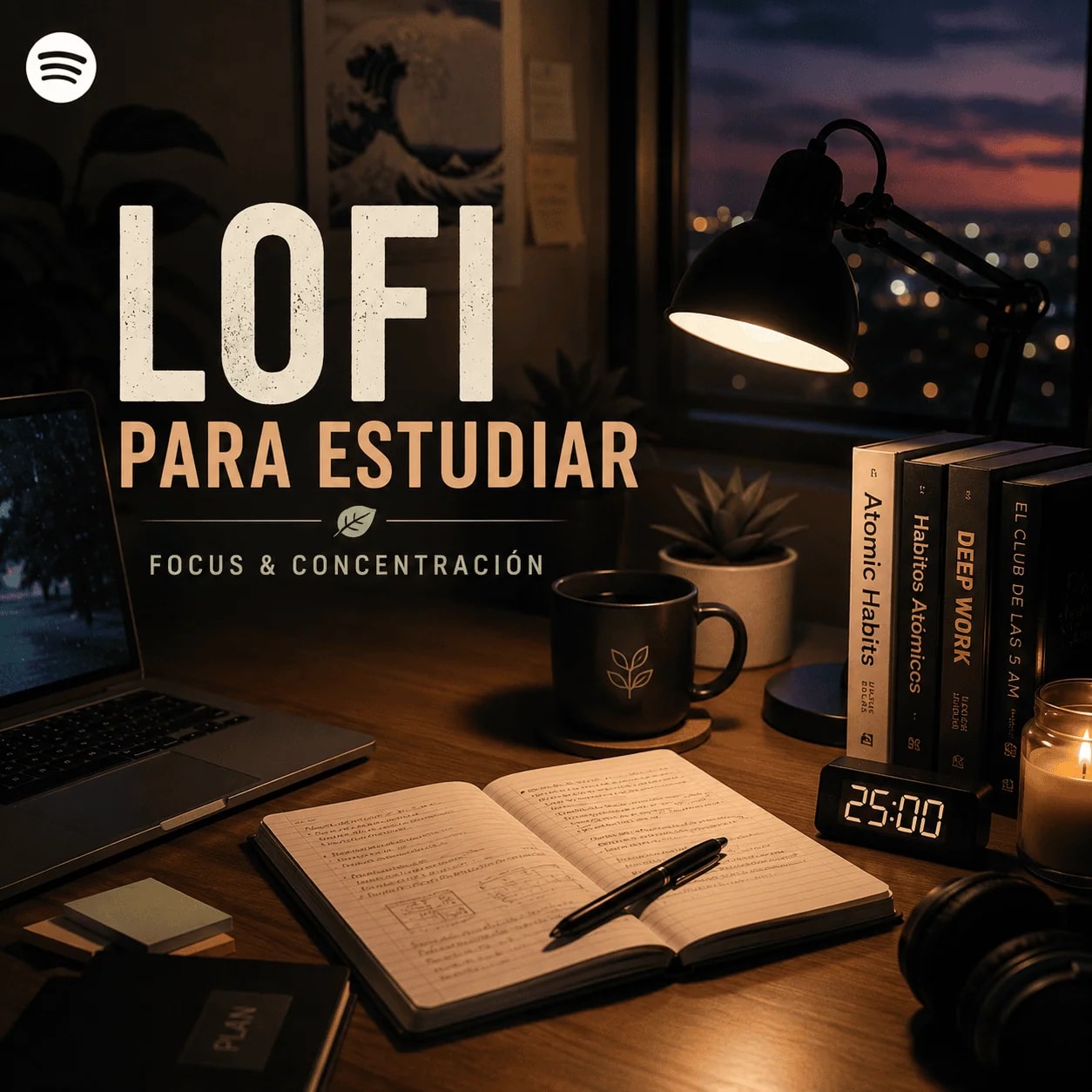
Lo-fi (low fidelity) started as a homemade sound — dirty beats, jazz samples, soft percussion — and by the late 2010s became the default soundtrack for studying and focused work. The recipe is precise: low BPM (70-90), no lead vocals, flat dynamics with no energy spikes, and long uninterrupted duration. That combination is exactly what the brain needs to stay in flow without dropping out every three minutes.
How Playlist Atlas picks lo-fi lists
The genre is flooded with algorithmic lists that blend lo-fi with ambient, neo-soul, and generic chill until coherence breaks. Lists that enter the directory follow three rules: no vocals that pull attention, controlled dynamics (no tracks that suddenly drop a hard bass), and minimum two-hour duration for real sessions — not 30-minute lists that force you to switch right when flow kicks in.
When to use lo-fi and when not
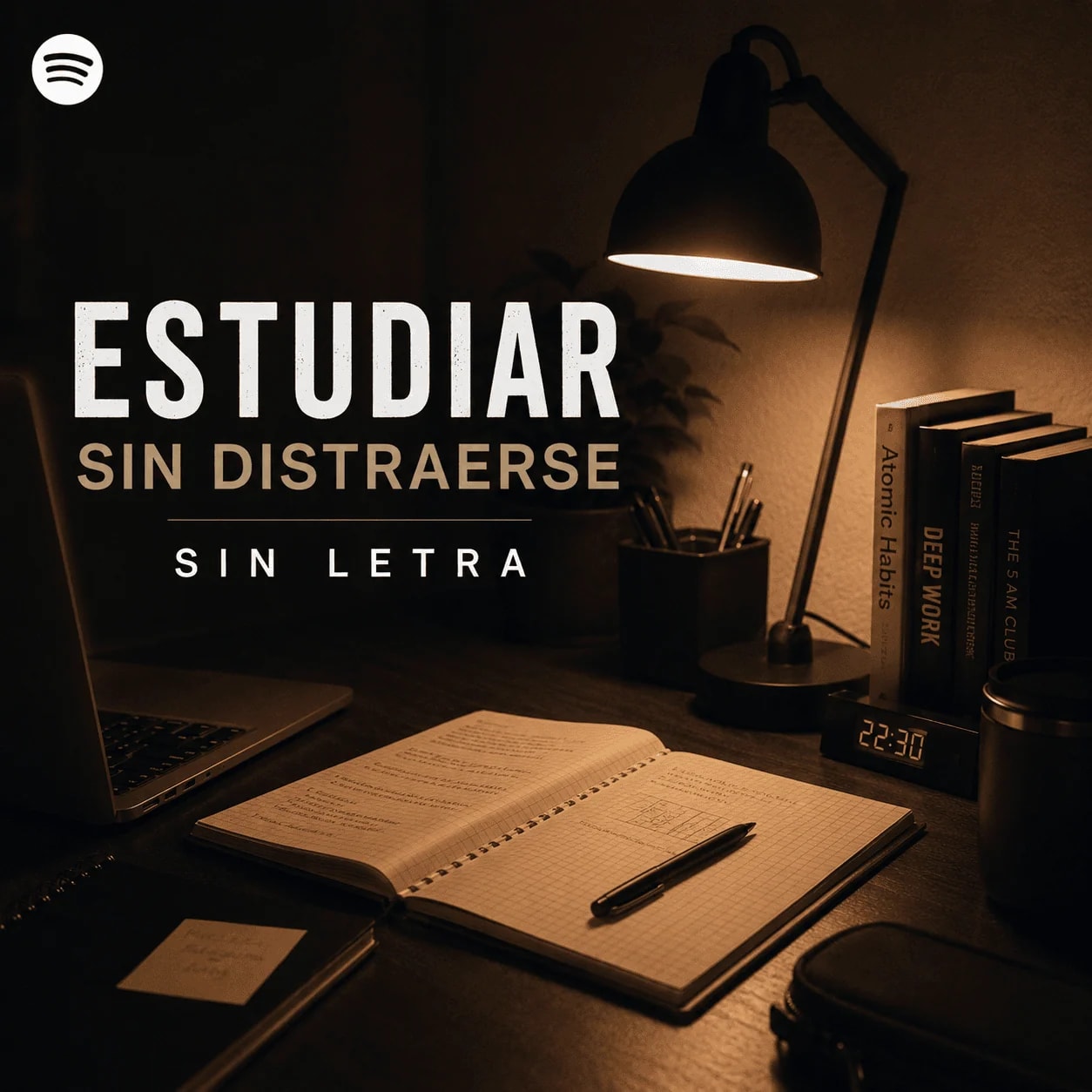
Lo-fi works perfectly for long study sessions, programming, report writing, technical reading, and tasks needing sustained focus without creative peaks. It works less well for high-creative work (composition, designing from scratch) where silence or more stimulating music sometimes wins. If you want something with stronger instrumental structure for harder focus, Focus Without Distractions swaps lo-fi for vocal-free instrumental built for demanding work.
Pairs well with
Combine with the study moment for your full session. For work, working has lists built for long days. For rest after the session, before sleep takes the tempo down further.